
The evolution of gambling tracing its historical roots and cultural impact
The Ancient Origins of Gambling
The history of gambling can be traced back thousands of years, with some of the earliest evidence found in ancient China, where rudimentary games of chance emerged around 2300 BCE. Archaeologists have discovered artifacts that suggest betting activities, including dice made from animal bones. These early forms of gambling served not just as entertainment but also as a way to engage in rituals and decision-making processes, thus intertwining gaming with cultural practices and beliefs. For new players, using a Duel referral code can unlock exciting rewards right from the start.
In ancient Rome, gambling took on a more structured form, with citizens enjoying various games, including dice games and betting on gladiatorial contests. Public games often included wagering on events, demonstrating the societal embrace of chance. Roman authorities initially attempted to regulate gambling, recognizing its potential for both social engagement and moral decay, marking a historical tension that continues to resonate in modern societies.
Similarly, in ancient Greece, gambling was prevalent at festivals, where games of chance were often incorporated into athletic competitions. With the invention of gaming tools like knucklebones and the introduction of more formal betting structures, gambling became a significant social activity. These ancient civilizations laid the groundwork for gambling as a cultural phenomenon that transcended mere entertainment, influencing social interactions and community dynamics.
The Role of Gambling in Medieval and Renaissance Societies
During the medieval period, gambling evolved significantly, particularly in Europe, where it was often associated with nobility. Card games became popular, and gambling halls emerged, catering to the elite. This period saw the emergence of gambling as a pastime intertwined with the lifestyles of the wealthy, serving as a social lubricant in aristocratic circles. The advent of playing cards, imported from the East, added new dimensions to gambling entertainment.
The Renaissance marked a pivotal point in the evolution of gambling, as it coincided with the rise of cities and increased trade. Gambling became more accessible to the general public, leading to the proliferation of gaming houses and informal betting. The emergence of lotteries, initiated to fund public projects, further democratized the practice. These lotteries were met with mixed reactions; while they provided entertainment, they also raised concerns about morality and societal impact.
By the late Renaissance, gambling had established itself as an essential component of social life in many cultures. Its role in both the arts and literature further solidified its position in society, reflecting the complexities of human nature. Whether as a reflection of chance or a commentary on fate, gambling took on deeper meanings, showcasing its multifaceted cultural significance beyond mere entertainment.
The Globalization of Gambling
The expansion of gambling into the modern era can be attributed to the spread of ideas, trade routes, and colonialism. As countries interacted and exchanged culture, different gambling practices merged and evolved. For instance, the introduction of baccarat from Italy to France demonstrated how gambling could cross borders, becoming part of French high society. The global journey of games illustrates the adaptability of gambling and its ability to resonate with diverse cultures.
In the 19th century, gambling took a more organized form with the establishment of casinos in Europe and America. The casino culture blossomed, notably in places like Monte Carlo and Las Vegas, which became synonymous with luxury and gambling. These establishments not only catered to the wealthy but also attracted a broader audience, transforming gambling into a mainstream leisure activity. The glitz and glamour associated with casinos helped to forge new cultural identities around gambling.
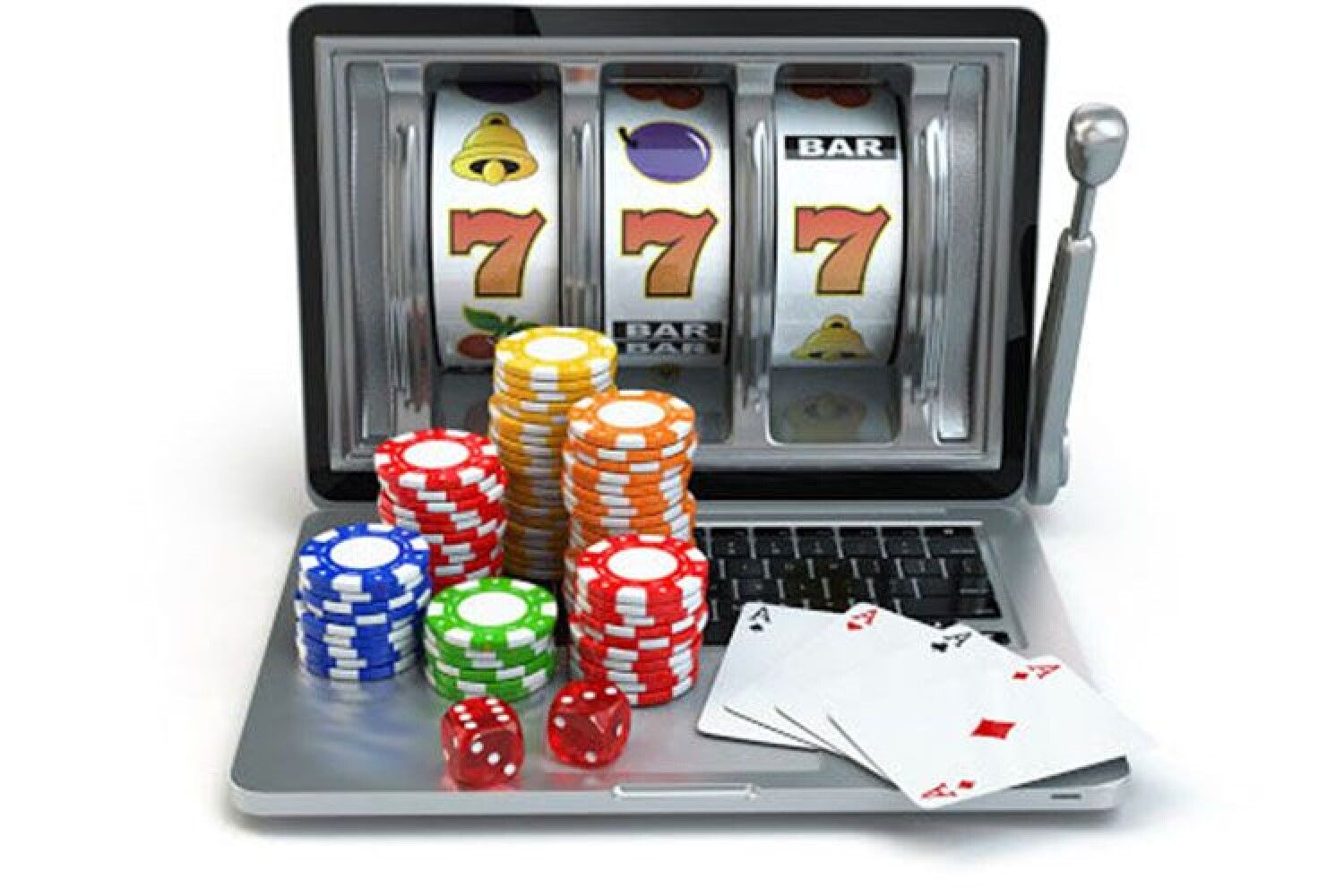
Furthermore, the rise of technology in the late 20th century revolutionized gambling, leading to the advent of online gambling platforms. The accessibility of the internet broke geographical barriers, allowing individuals worldwide to engage in gambling from the comfort of their homes. This development sparked debates about regulation, addiction, and the cultural implications of virtual gambling, highlighting ongoing tensions in how societies view this age-old activity.
The Social and Cultural Impact of Gambling Today
Today, gambling is a global phenomenon that continues to shape social dynamics and cultural practices. The rise of gambling has led to the development of various subcultures, with each region adapting gambling practices to fit local customs and values. From community bingo nights to high-stakes poker tournaments, the diverse forms of gambling reflect societal attitudes toward risk and reward, embodying a tapestry of human experience.
However, gambling’s cultural impact is not without controversy. Issues of addiction and societal strain have emerged, prompting discussions about responsible gambling and the need for regulatory frameworks. Many countries are now focusing on educational programs and support systems to mitigate the negative effects of gambling while still promoting its positive aspects, such as community engagement and economic stimulation through tourism.
The representation of gambling in popular culture—movies, television shows, and literature—further illustrates its entrenched role in modern society. These portrayals often explore themes of luck, morality, and the human condition, reflecting both the allure and risks associated with gambling. As cultures evolve, so too will the narratives surrounding gambling, making it an ever-relevant topic for discourse.

The Future of Gambling: Trends and Innovations
Looking ahead, the future of gambling is poised for dramatic changes driven by technological advancements and shifting societal norms. Innovations such as virtual reality casinos and blockchain technology are transforming how people engage with gambling. These developments promise more immersive experiences and transparent transactions, appealing to a tech-savvy generation that values convenience and security.
The rise of e-sports betting is another trend reshaping the gambling landscape. As competitive gaming gains popularity, it presents new opportunities for wagering, attracting younger audiences who may not have engaged with traditional gambling forms. This diversification reflects the evolving nature of gambling as it adapts to cultural trends and consumer preferences.
As regulations continue to evolve, the dialogue surrounding gambling will likely intensify. Balancing economic benefits with social responsibility will be key in shaping the industry’s future. As gambling integrates more deeply into everyday life, understanding its historical roots and cultural impact will be essential for fostering a healthy relationship with this age-old practice.