
Exploring the intriguing evolution of gambling through the ages
The Ancient Origins of Gambling
The history of gambling can be traced back to ancient civilizations, where it was often linked to rituals and ceremonies. The earliest known evidence of gambling dates back to 3000 BC in China, where rudimentary games using dice were played. Similarly, ancient Egyptians and Greeks engaged in games of chance, which were not just for entertainment but also served as a way to appease the gods. Many players today look for welcome bonus sites in south africa to enhance their gaming experience.
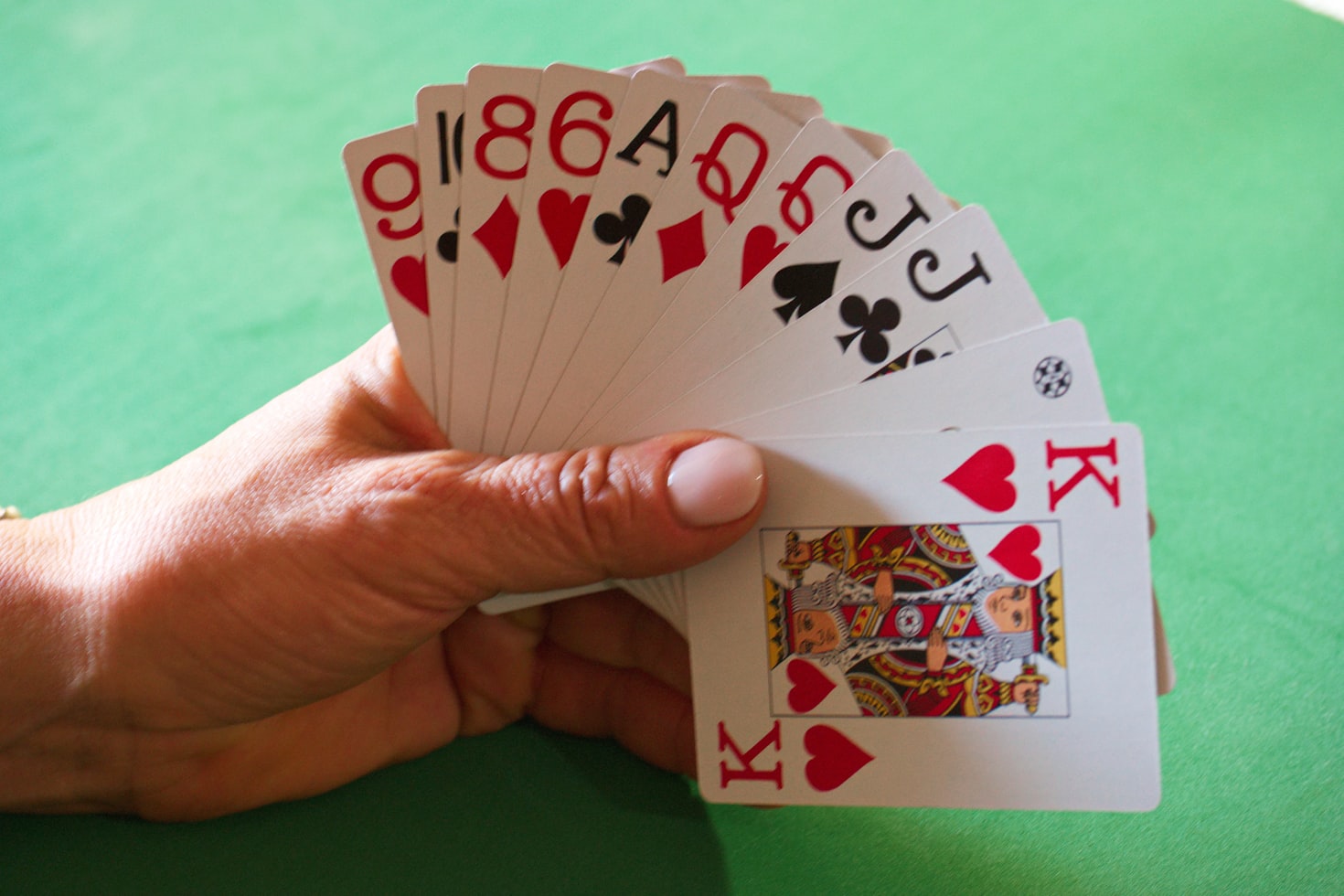
As societies evolved, gambling became more structured. In Rome, for example, various forms of betting were prevalent, often centered around gladiatorial games and chariot races. These activities laid the groundwork for the more organized gambling we recognize today, as they introduced concepts such as odds and wagers that are fundamental to modern gambling.
The Rise of Gambling in the Middle Ages
During the Middle Ages, gambling took on new forms and became more regulated across Europe. The church frequently condemned gambling, associating it with sin and vice. However, this did not deter its popularity. Games like dice and card games became widely played among all classes of society, from peasants to nobility. This period also saw the introduction of the first recorded lotteries, which were used to raise funds for public projects.
The transition towards the Renaissance brought about a greater acceptance of gambling. As cultural norms shifted, card games gained prominence, particularly in France and Italy. The development of the printing press also facilitated the spread of gambling literature, contributing to a growing interest in games of chance and strategy.
The Birth of Casinos and Modern Gambling
The 17th century marked a pivotal moment in gambling history with the establishment of the first official casinos. The Casino di Venezia in Italy, opened in 1638, is often regarded as the world’s first, setting the stage for a global casino culture. This era saw the creation of many popular games, including roulette and baccarat, which remain staples in casinos today.
As the 19th century approached, gambling began to move beyond elite circles and into the mainstream, especially with the expansion of the gambling industry in places like Las Vegas and Monte Carlo. This period of growth transformed gambling into a multi-billion dollar industry, characterized by an array of games and lavish venues designed to attract a diverse clientele.
The Digital Revolution of Gambling
The late 20th and early 21st centuries ushered in a new era for gambling with the rise of the internet. Online gambling platforms emerged, offering players the opportunity to engage in their favorite games from the comfort of their homes. This shift dramatically altered the landscape of gambling, making it more accessible than ever.
With technological advancements, online casinos began to incorporate live dealer games, enhancing the gaming experience by mimicking the atmosphere of traditional casinos. Additionally, the integration of mobile technology enabled players to gamble on the go, further solidifying the popularity of online gambling across diverse demographics.

Your Guide to Safe Online Gambling
In today’s digital age, it’s essential to choose online casinos wisely to ensure a safe and enjoyable gaming experience. Our website provides detailed reviews of the best online casinos, focusing on aspects like security, game variety, and player bonuses. With expert insights, we guide you through finding platforms that meet your gaming preferences and safety standards.
Understanding the evolution of gambling can enhance your appreciation for the games you play today. By staying informed about the industry’s history and current trends, you can make better choices and enjoy your online gaming experience to the fullest. Join us as we navigate the ever-evolving world of gambling, ensuring your journey is both exciting and secure.